How a Professional Website Drives Real Business Growth
A great website doesn't just look good — it generates leads, builds trust, and converts visitors into customers. Here's what separates a website that performs from one that just exists.
Graphxify Team
4 min read
Your Website Is Either Working or It Isn't
Most businesses fall into one of two categories: those whose website is actively generating leads and revenue, and those whose website is essentially a digital brochure — present, but not performing.
The difference between these two categories is rarely about budget. It's about intent. A website built to perform is designed differently, structured differently, and measured differently from a website built just to exist online.
What a High-Performing Website Actually Does
A business website that drives growth does five things well:
1. It Gets Found
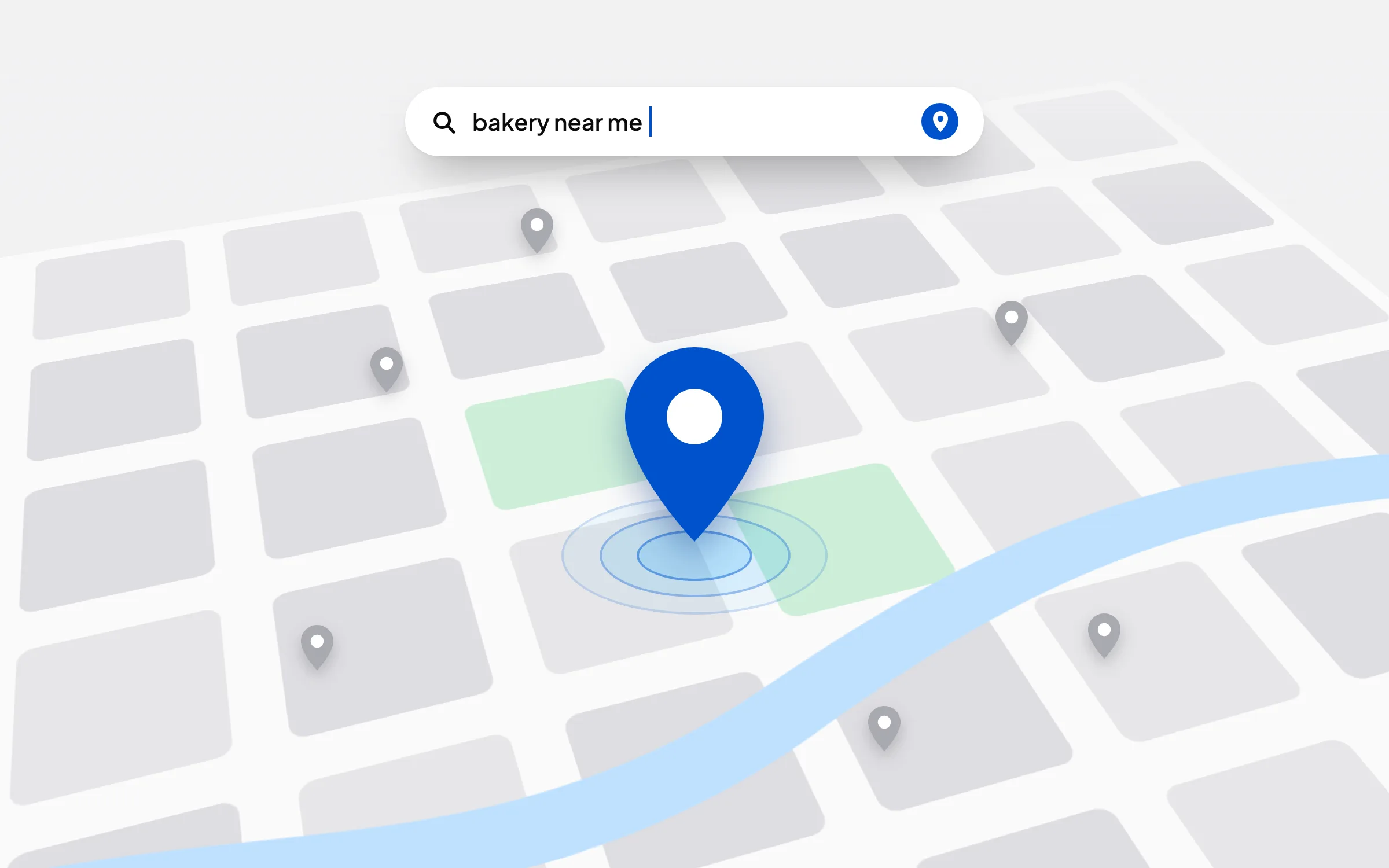
Traffic is the prerequisite for everything else. A website that nobody visits generates nothing. Getting found means showing up on Google for the searches your potential customers are actually performing — not just your business name, but queries like "web design agency near me," "branding services," or "custom website development."
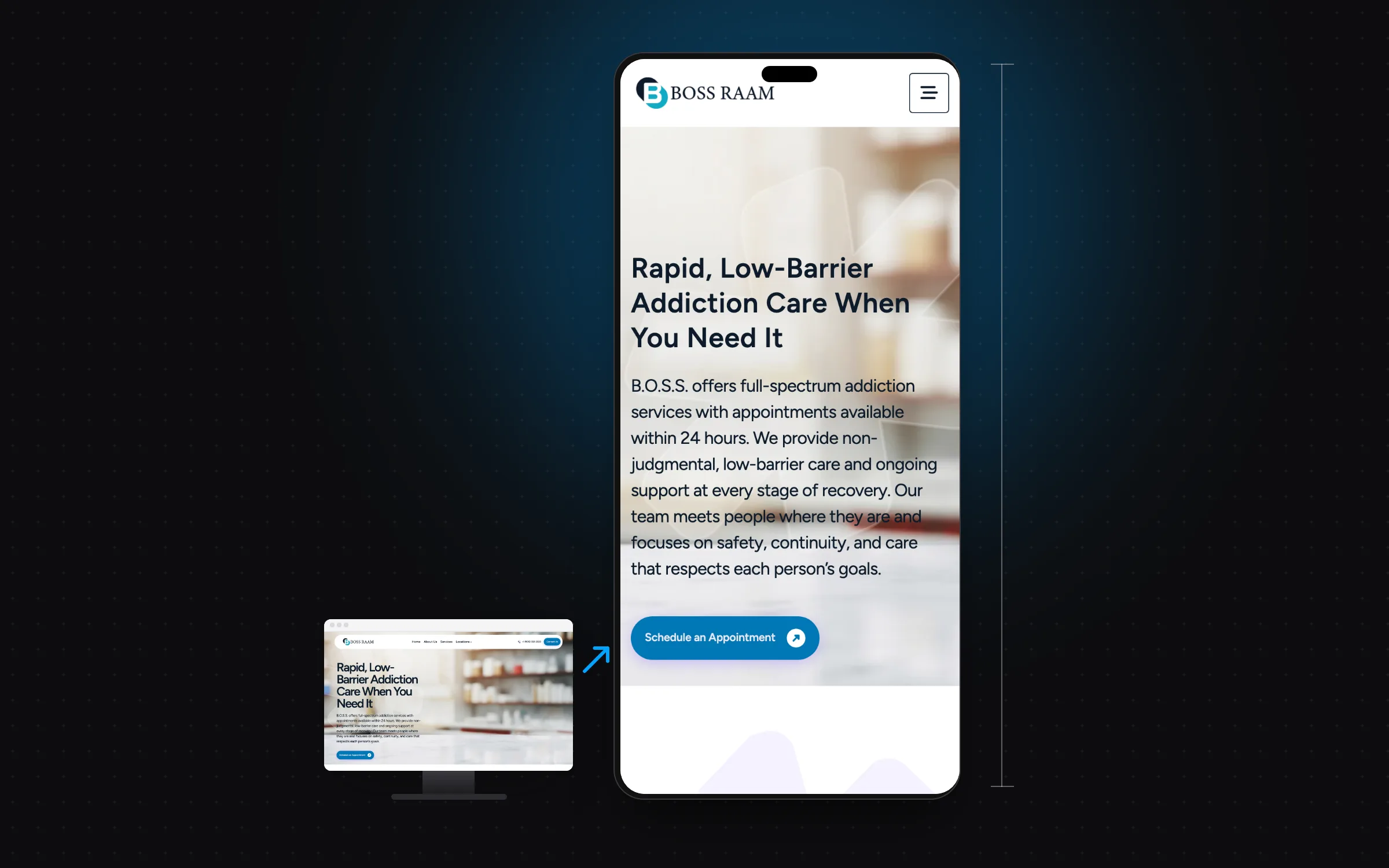
This requires on-page SEO (proper title tags, meta descriptions, heading structure, and content), technical SEO (fast load times, proper indexing, mobile performance), and ideally local SEO (Google Business Profile, location-specific pages).
2. It Makes a Strong First Impression
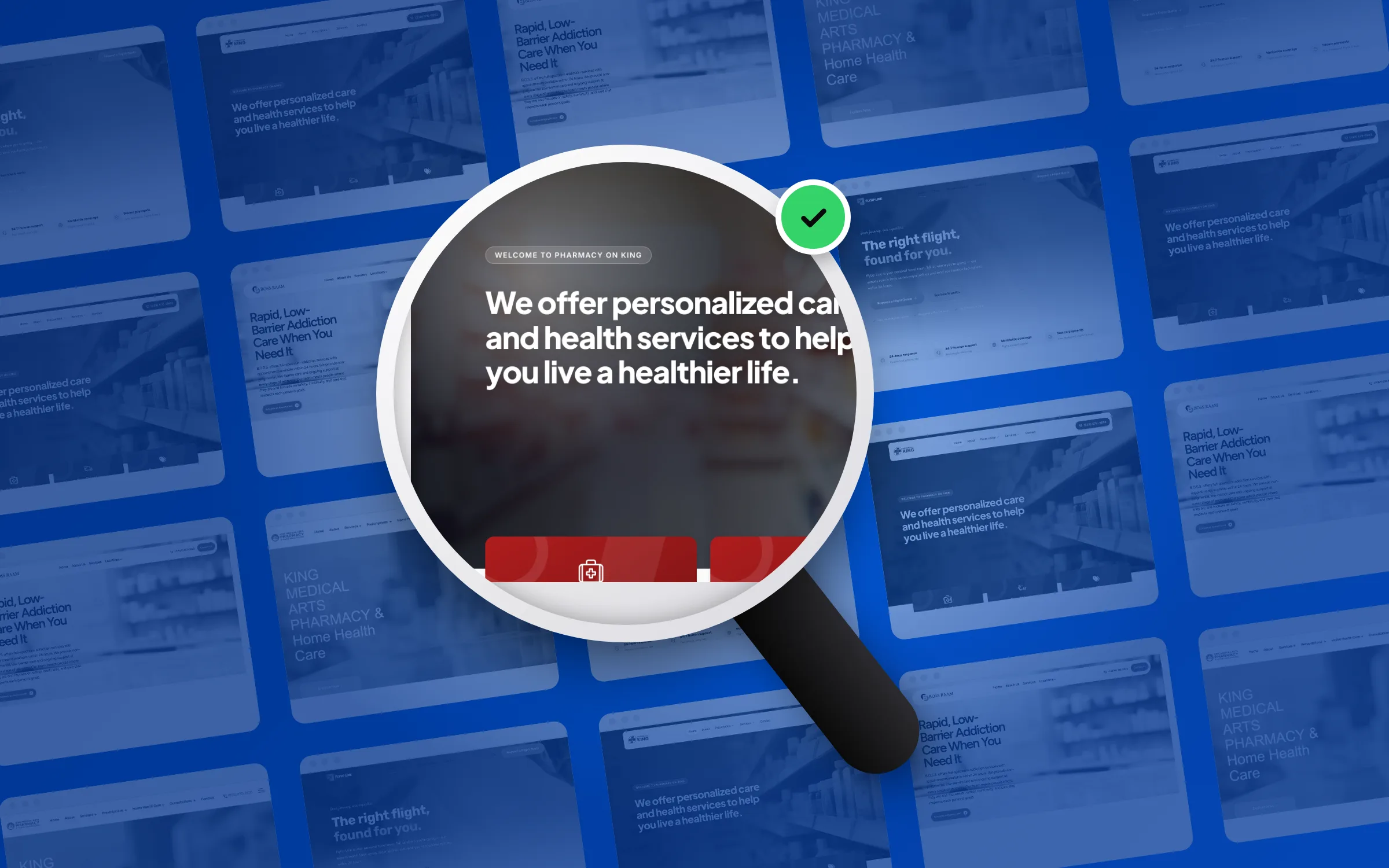
First impressions online form quickly — often within seconds. In that window, visitors decide whether to stay or leave. A professional, polished design signals credibility; visual inconsistency, slow loading, or a layout that looks dated signals the opposite — and visitors tend to associate that impression with the quality of your business.
3. It Communicates Clearly
Once you have a visitor's attention, you need to answer three questions quickly: What do you do? Who is it for? Why should I trust you? Websites that bury the answer to these questions — in long blocks of corporate text, or under navigation that requires exploration — lose visitors before they convert.
The best business websites are ruthlessly clear. The headline tells you exactly what the business does and who it serves. The subheadline adds the most important differentiator. The primary call to action is immediately visible.
4. It Converts Visitors to Leads
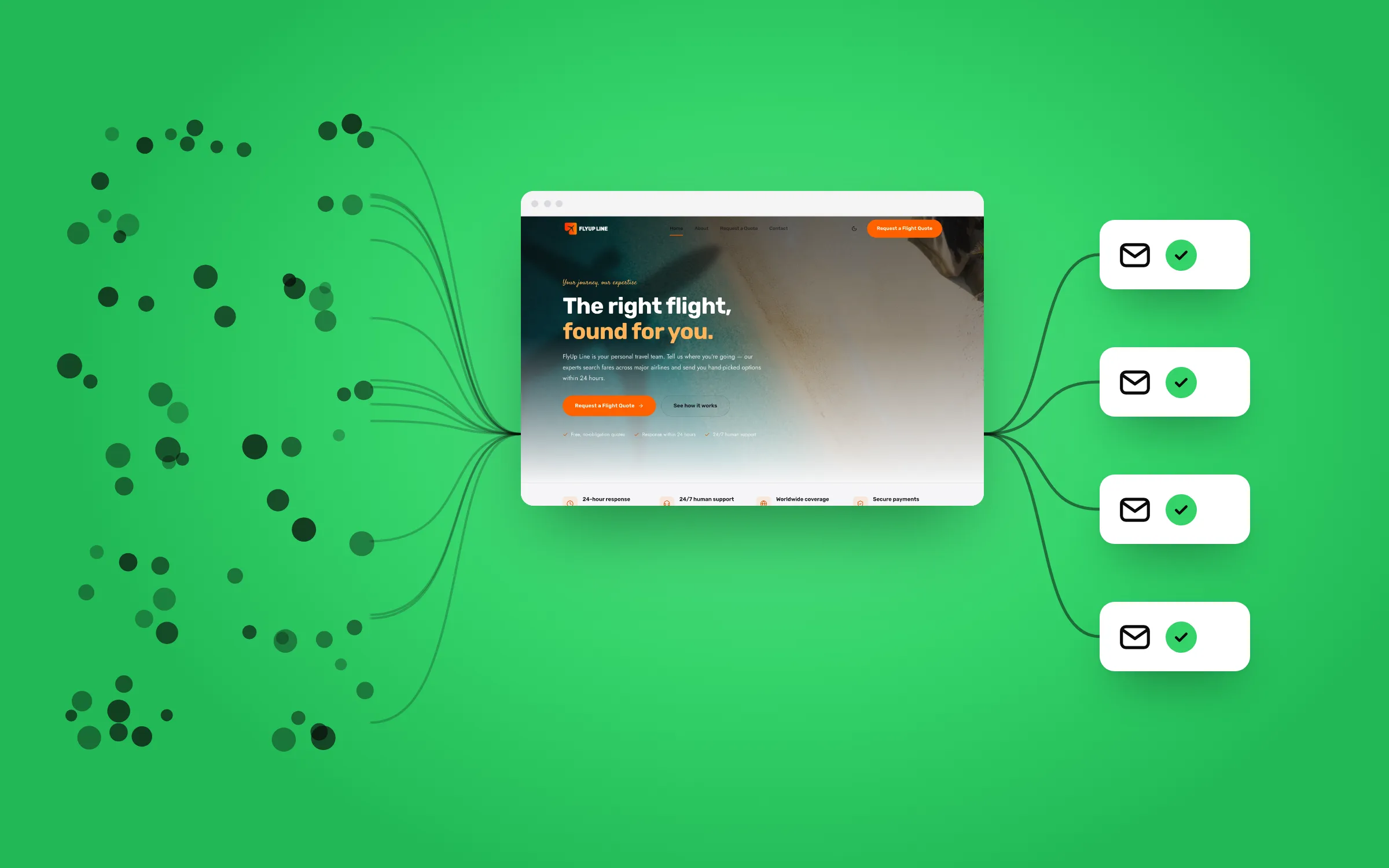
Conversion is the mechanism by which traffic becomes revenue. For most service businesses, conversion means: a visitor fills out a contact form, clicks to call, books a consultation, or downloads a resource in exchange for their email.
Improving conversion rate is often more valuable than increasing traffic. If your site converts 1% of visitors and you double that to 2%, you double your leads without spending a dollar on additional marketing.
5. It Builds Trust Over Time
Trust is built through consistency and evidence. Your website builds trust through professional design (credibility signal), client testimonials and case studies (social proof), clear about page and team information (human connection), and fast, reliable performance (technical credibility).
For businesses targeting enterprise or professional clients, the trust-building function of a website is as important as the lead generation function.
The ROI of a Professional Website
Many business owners treat their website as a cost rather than an investment. Consider an illustrative example (the figures are hypothetical — use your own):
- A service business that closes 2 additional clients per month from website leads, at an average project value of 5,000, would add 120,000 in revenue over a year
- At that rate, a 15,000 website would pay for itself within a few months — if the site genuinely brings in those leads
Your numbers will differ, but the logic holds: if a better website wins even a few extra clients, it can pay for itself.
What Separates a Performing Website from a Non-Performing One
- Conversion-focused design — Every page is designed with a specific user action in mind
- Fast performance — Main content that loads quickly, especially on mobile (Google's "good" threshold for Largest Contentful Paint is 2.5 seconds or less)
- Clear messaging — Headlines that communicate value immediately, without jargon
- Strong social proof — Client logos, testimonials, specific case studies with outcomes
- Ongoing measurement — Analytics configured to track actual conversions, not just visits
"A website without analytics is a store without a cash register receipt. You're not measuring what's working." — Graphxify Team
Getting Started
If your current website isn't generating the leads your business needs, the first step is an honest audit: How does it perform on mobile? How fast does it load? What is your current conversion rate? What search queries bring visitors to your site?
These questions have measurable answers — and the answers tell you exactly where to focus. For businesses ready to treat their website as a growth asset, the opportunity is significant. Businesses that treat their website as a growth asset are better placed to win the customers already searching for them.
Getting found on Google is part of the equation too. Read our guide on local SEO for getting found on Google for a practical playbook on making your site visible in your market.
Your Website Should Be Working Harder
Graphxify designs and builds websites for businesses worldwide that are built to convert — not just to exist. View our work to see how we approach performance and conversion, or get in touch to discuss what your website should be doing for your business.